Интервю с EVAN SEINFELD (BIOHAZARD)
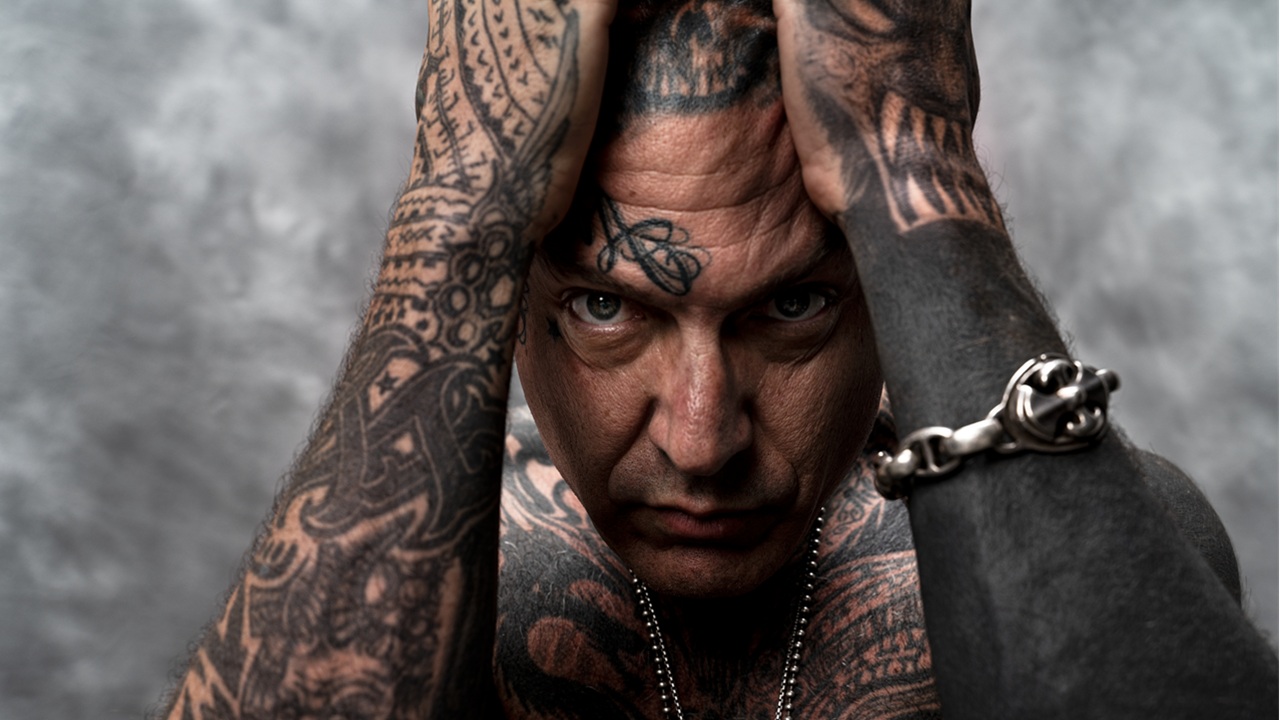
Evan Seinfeld is one of the most recognizable names in hardcore. A bassist, vocalist, and songwriter, he is among the founders of Brooklyn legends Biohazard, one of the bands that broke down musical barriers back in the early ’90s with albums like Urban Discipline and State of the World Address. After a long period of inactivity, Biohazard reunited in their classic lineup around three years ago, and last year they treated us to a brand-new album – Divided We Fall.
During the interview for MetalHangar18, Evan spoke candidly about the roots of Biohazard and the streets of Brooklyn, about the spirit of unity in his music, and about his personal path through the hard years. We thank him for his time and look forward to the concert in Sofia on July 27th, at the „Yunak“ stadium, organized by Stroezha, and the after-party that follows.
Dimitar Stefanov: Biohazard’s lyrics were always raw, angry, and brutally honest. Where did that anger come from – the streets of Brooklyn, personal stuff, or something else?
Evan Seinfeld: You kind of answered it yourself. We grew up in Brooklyn in a violent time, before the internet and phones, with mafia, racial tension, and social unrest. People were aggressive toward anyone different. We weren’t like that. Biohazard was always about bringing people together, creating unity and love, and building a global community. I want more friends, not enemies. There were streets we couldn’t walk on because of the color of our skin. When we started traveling, we saw the human condition, different problems everywhere, but the same spirit to fight and survive. For me, love is the answer. Together we’re stronger.
Dimitar Stefanov: You’ve spoken about why you left in 2011. What clicked ten years later that made you want back in?
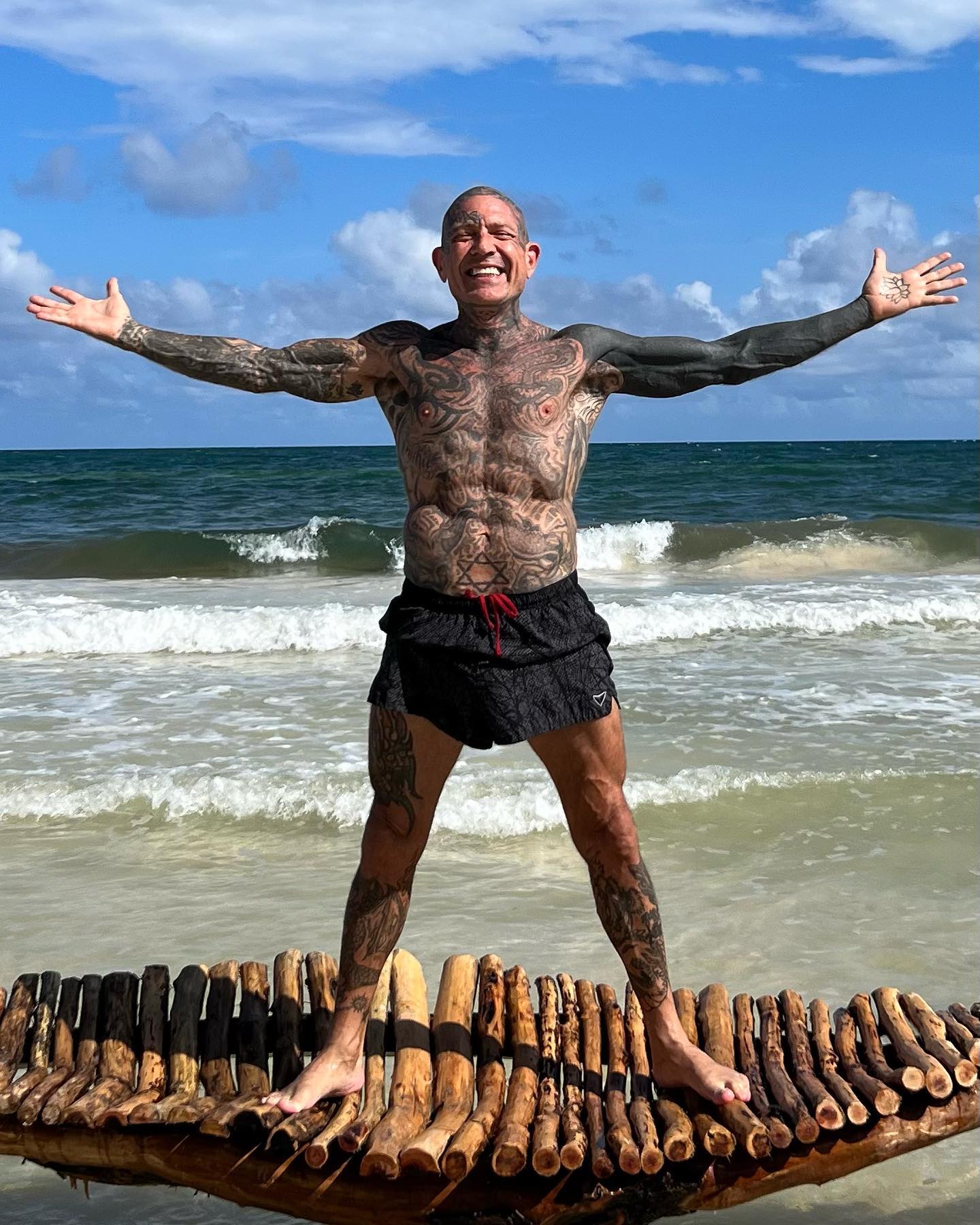 Evan Seinfeld: I went through a lot of hard times, mental health, addiction… I learned acceptance and forgiveness on a deep personal journey. About five years ago I moved to Mexico for an intentional transformation. Maybe two years in, I’m walking through an airport and run into Richie Schuler, my drummer Danny’s brother. I’d just gone through this huge process of letting go of stories that aren’t even real, and Richie says, “You should call Danny.” In my head I had a story that Danny didn’t want to hear from me, but Richie says, “My brother loves you.” So I called him after twelve years since we’d spoken and the conversation was only positive and inspiring. Sometimes you need distance to appreciate something. Biohazard is bigger than me; it’s a brotherhood, more than music. We reconnected with Bobby and Billy, met at a studio in LA, and realized we sounded better than ever. Everybody still has the fire. We played the Milwaukee Metal Fest and it was magic. Since then we’ve done 250 shows and recorded a massive new album.
Dimitar Stefanov: Does Divided We Fall feel like a direct continuation of where Biohazard left off, or did stepping away change what you wanted to say?
Evan Seinfeld: When we put the band back together, we decided to only play the songs from the first three albums, to stay true to the pure original intention. I usually only love a band’s first few albums, before they start thinking too much. If you want to get back to your roots, take ten years off and only play the old-school songs. Divided We Fall picks up right where Urban Discipline and State of the World Address left off. We could have called it Urban Discipline Revisited.
Dimitar Stefanov: What first drew you to bass, and who were your biggest influences?
Evan Seinfeld: Definitely Geezer Butler and I know it’s not an original answer. I also loved Steve Harris, Ian Hill and Geddy Lee or anything riff-oriented, like Mercyful Fate. I was a roadie and bass tech for Peter Steele in Carnivore. I didn’t have my own gear, so I used his. I learned so much just by watching him play, sitting in the studio and on the side of the stage, watching and absorbing. Rest in peace, Pete. Love you, brother.
Dimitar Stefanov: How has your gear changed since the early days when you didn’t even have a bass?
Evan Seinfeld: I started with Pete’s Peavey rig, so I thought Peavey was the amp and bought the exact same rig with my first record money. Then Ampeg reached out and invited me to play SVTs like Geezer. I went through Mesa Boogie, back to Ampeg, Hartke, and tried everything. Now I have a Blackstar endorsement with a custom three-cabinet, three-head setup focused on separating clean low end and distortion. I’ve been a loyal Spector player for over 25 years (introduced by Rex Brown of Pantera). My basses are Euro 4 LX, handmade in the Czech Republic and I also have a special signed NS2 model. Today I’m a minimalist. I live out of a suitcase with my girlfriend and travel light. My son (unofficially the fifth member of Biohazard) handles my gear. I just show up and play.
Dimitar Stefanov: The Slam collaboration with Onyx and your Judgment Night soundtrack contribution helped grow the rap-metal crossover. How did that come together?
Evan Seinfeld: We were already working with Onyx, because we were signed to Rush Artist Management, the management arm of Def Jam through our manager Scott Koenig, the entire culture of hip-hop. Russell Simmons and Lyor Cohen signed Biohazard and said, “You’re the most hardcore metal band, Onyx are our most hardcore rappers and we’re putting you in the studio together.” The Onyx guys showed up in bulletproof vests with guns and we drove up from Brooklyn in a Cadillac. It felt like a meeting of gangsters, and like breaking down barriers between races. That was the real spirit of it.
Dimitar Stefanov: Onyx are joining you in Sofia this July. Have you stayed in touch, and can fans expect something special?
Evan Seinfeld: These are our brothers. The night we shot the Shades of Grey video, we also shot Onyx’s Slam remix. Standing on a hardcore stage with hardcore rappers back then was a big statement. It was love. Two years ago in Dublin our tour manager set up a surprise – Onyx walked on stage with mics during our sold-out show. So Bulgaria, you’re on notice. I’m sure we’ll do something special together that night, because we don’t get to do this all the time.
Dimitar Stefanov: What can you tell us about the Sofia setlist — classic era, newer material, or a mix? And how long do you usually play?
Evan Seinfeld: The tour starts July 2nd. We’re playing the majority of Urban Discipline and State of the World Address, something from the first album, and songs from Divided We Fall — including some we’ve never played live.
Dimitar Stefanov: What can fans expect from the setlist and how long do you usually play?
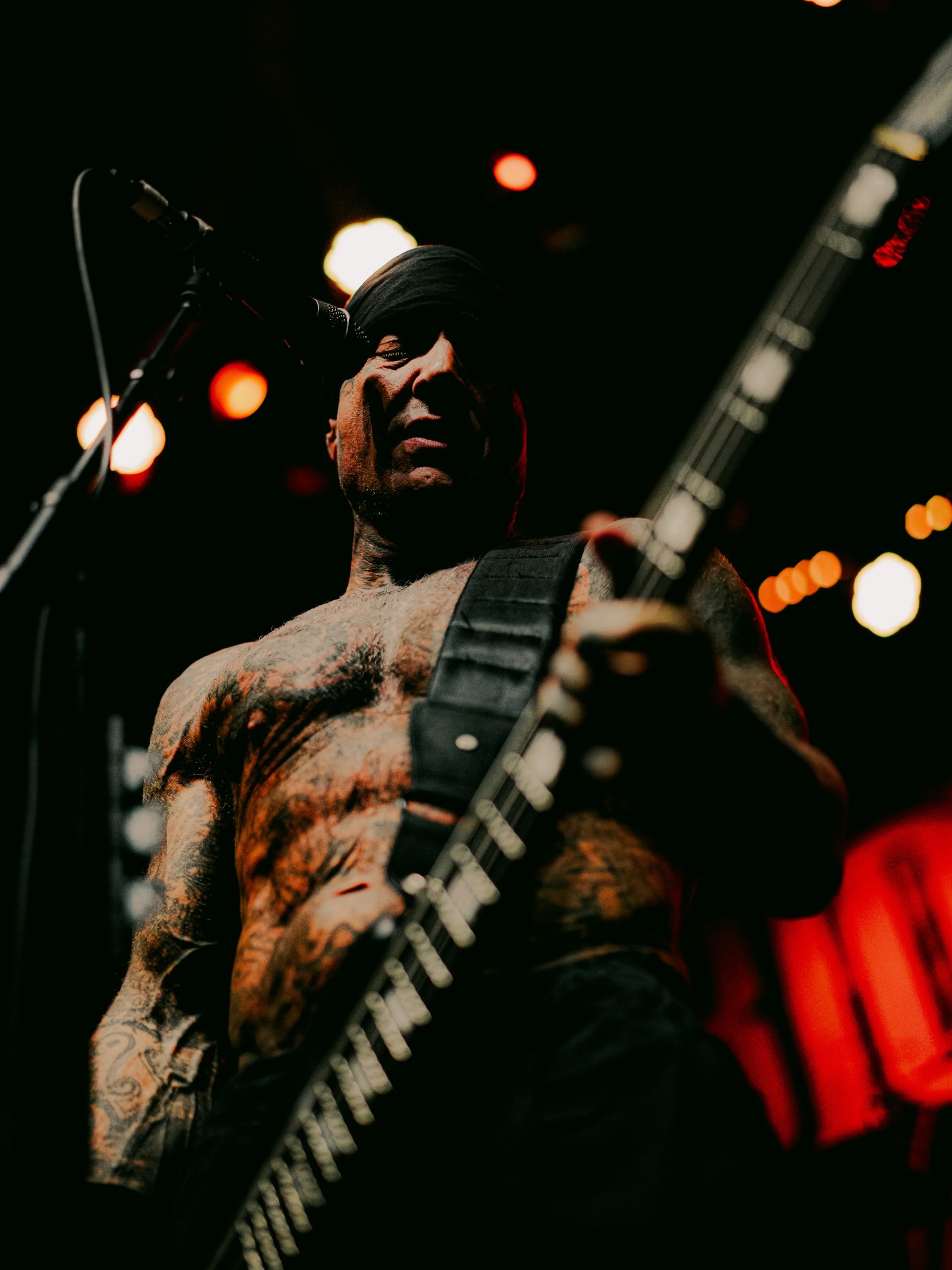 Evan Seinfeld: We’re playing mostly Urban Discipline and State of the World Address, something from the first album and tracks from the new Divided We Fall album, including some never played live before. Check out the album before the show; it’s heavy! Sets are usually between an hour and some minutes and hour and a half as headliners. We focus on what makes people move. We’re physical guys, we jump whether the crowd does or not, and when they jump with us it’s another dimension.
Dimitar Stefanov: What energy and experience do you hope Bulgarian fans take away?
Evan Seinfeld: I hope they leave their negative energy on the dance floor and walk out inspired and energized. Take the power of our music and use it as fuel to push through your day, create, and bring people together. We’re more alike than different. Music is an international language that crosses every barrier. The world’s so divided over politics and religion instead of the human experience. So look inside.
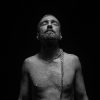
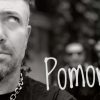
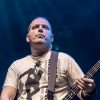
The photos are from Evan’s personal Instagram account.




-
 PEKINSKA PATKA и още 5 банди с общ концерт (0)
Клуб Stroeja представя:
KOKOША ГЛАВА (Bulgaria)
PEKINSKA PATKA (Serbia)
ATHEIST RAP (Serbia)
PIRANHA (Bulgaria)
PLASTIC BO. (Bulgaria)
DOCTOR’S GOGO […]
преди 1 час
PEKINSKA PATKA и още 5 банди с общ концерт (0)
Клуб Stroeja представя:
KOKOША ГЛАВА (Bulgaria)
PEKINSKA PATKA (Serbia)
ATHEIST RAP (Serbia)
PIRANHA (Bulgaria)
PLASTIC BO. (Bulgaria)
DOCTOR’S GOGO […]
преди 1 час
-
 Интервю с EVAN SEINFELD (BIOHAZARD) (0)
(for English – page 2)
Evan Seinfeld е едно от най-разпознаваемите имена в хардкора. Басист, вокалист и автор на […]
преди 2 часа
Интервю с EVAN SEINFELD (BIOHAZARD) (0)
(for English – page 2)
Evan Seinfeld е едно от най-разпознаваемите имена в хардкора. Басист, вокалист и автор на […]
преди 2 часа
-
 “Керана и Космонавтите” ще подгряват концерта на LP в София (0)
“Керана и Космонавтите” се присъединяват към големия концерт на LP това лято, на 9 август на сцената на Vidas […]
преди 3 часа
“Керана и Космонавтите” ще подгряват концерта на LP в София (0)
“Керана и Космонавтите” се присъединяват към големия концерт на LP това лято, на 9 август на сцената на Vidas […]
преди 3 часа
-
 Остават дни до завръщането на DURAN DURAN (0)
На 1 юли 2026 г. Duran Duran превземат Арена 8888!
Групата пристига в София в оригиналния си състав – […]
преди 3 часа
Остават дни до завръщането на DURAN DURAN (0)
На 1 юли 2026 г. Duran Duran превземат Арена 8888!
Групата пристига в София в оригиналния си състав – […]
преди 3 часа
-